¶ Guidelines for Using Consumables
¶ PLA
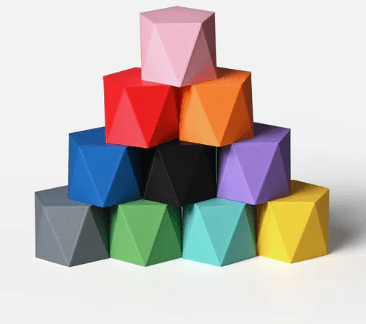
PLA printing consumables are made from renewable plant resources, making them a biodegradable material with excellent plasticity and high molding rate, thus being the most widely used material in the market.
- Difficulty of use: Low
- Toughness: Low
- Durability: Moderate
- Cooling: 100%
- Nozzle temperature: 190-230°C (temperatures may vary between manufacturers; suggested temperatures are typically provided on the filament spool).
- Bed temperature: 35-60°C (temperature adjustment may be required for different types of PLA and platforms).
- Advantages: Low tendency to warp, available in a wide range of colors, high success rate suitable for novice players.
- Disadvantages: Low strength, prone to breakage, not suitable for structural components.
|
¶ PETG
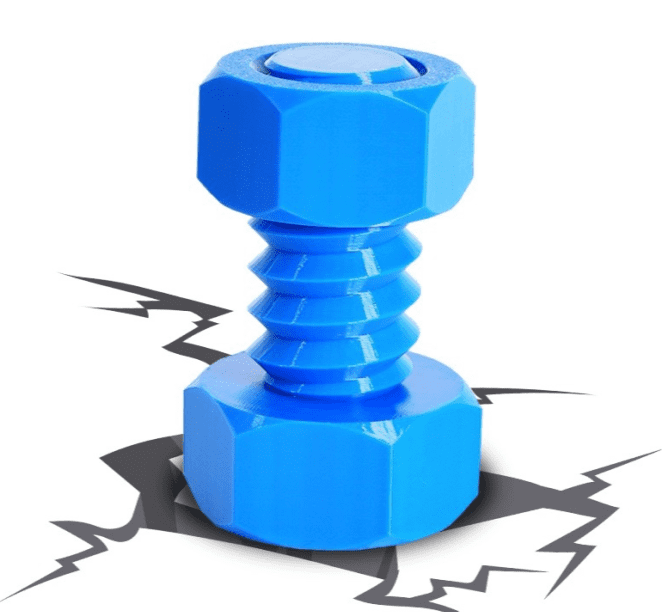
PETG is a 3D printing consumable known for its heat resistance, chemical corrosion resistance, and certain toughness, combining the advantages of PLA and ABS. It is commonly used for printing structural components and can also be polished like PLA.
- Difficulty of use: Moderate
- Toughness: High
- Durability: High
- Cooling: 50-70%
- Nozzle temperature: 230-250°C (temperatures may vary between manufacturers; suggested temperatures are typically provided on the filament spool).
- Bed temperature: 60-80°C; it is recommended to apply a layer of adhesive (PVP solid glue) to the base layer before printing to prevent warping.
- Advantages: High toughness, good durability, excellent heat resistance. Typically used for printing structural components and connecting parts.
- Disadvantages: Susceptible to moisture absorption, prone to stringing, surface prone to scratching.
|
¶ ABS
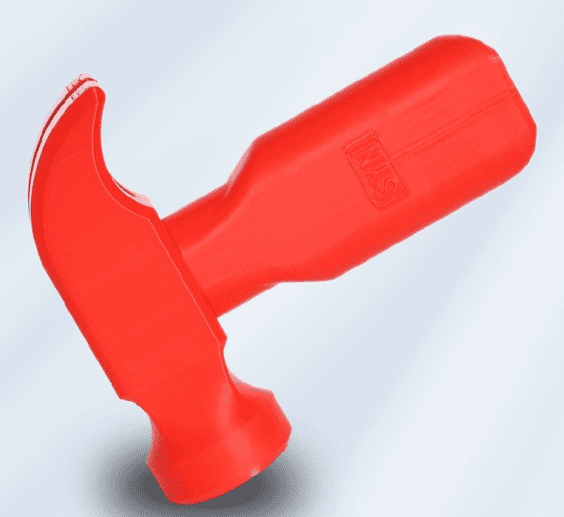
ABS is a thermoplastic engineering material consisting of acrylonitrile-butadiene-styrene, known for its excellent electrical properties such as impact resistance, heat resistance, and low-temperature resistance.
- Difficulty of use: High
- Toughness: High
- Durability: High
- Cooling: 0-30%
- Nozzle temperature: 240-260°C (temperatures may vary between manufacturers); during printing, the model cooling fan needs to be turned off.
- Bed temperature: 80-100°C; it is recommended to apply a layer of adhesive (PVP solid glue) to the base layer before printing.
- Advantages: High strength, good durability, high heat resistance.
- Disadvantages: High printing difficulty, prone to warping, requires adhesive application before printing, model cooling fan needs to be turned off, requires high-temperature nozzle, and may produce harmful gases during printing.
|
¶ TPU
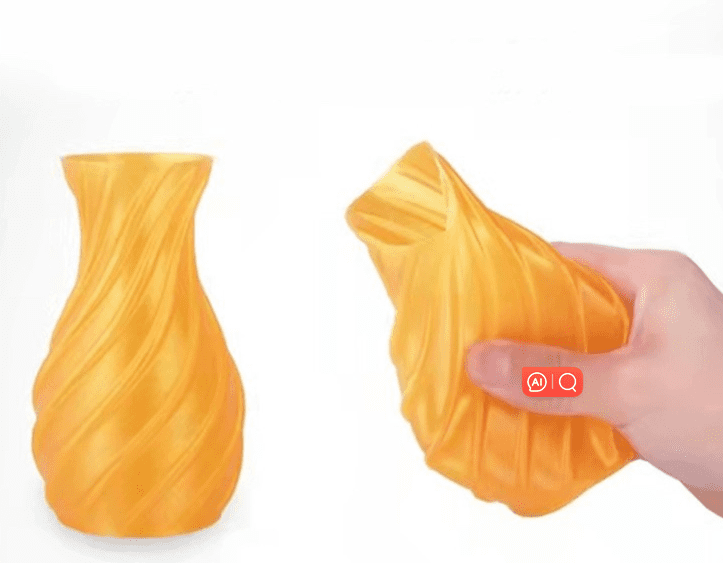
TPU is a printing material known for its high elasticity and toughness, commonly used for applications requiring flexibility in prototyping. It comes in various strengths, such as 95A and 85A, with 95A being easier to print.
- Difficulty of use: High
- Toughness: High
- Durability: Moderate
- Cooling: 100%
- Nozzle temperature: 200-230°C (temperatures may vary between manufacturers; suggested temperatures are typically provided on the filament spool).
- Bed temperature: 40-60°C (temperature adjustment may be required for different TPU materials and platforms).
- Advantages: High playability, high toughness, high elasticity, suitable for printing in cushioning areas.
- Disadvantages: Prone to stringing, printing speed cannot be fast, prone to material entanglement.
|